+86-13777321650


 русский
  Español

Tufted Duvet Cover Sets: 2 Persoons Dekbedovertrek Guide
Content
- 1 Direct Answer: What Makes a Tufted Bedding Duvet Cover Quilt Cover the Right Choice
- 2 Understanding Duvet Cover Sizing: 1 Persoons vs 2 Persoons
- 3 Comparing Fabric Weight Across Tufted, Embroidered, and Chenille Covers
- 4 Seasonal Demand Patterns for Duvet Cover Sets
- 5 Comparing Texture, Softness, and Durability Across Cover Styles
- 6 Color Trends: Why Green Duvet Covers Are Gaining Popularity
- 7 Pairing a Hoeslaken with a Tufted or Embroidered Duvet Cover Set
- 8 About Hangzhou Directions Import & Export Co., Ltd.
- 9 Frequently Asked Questions
Direct Answer: What Makes a Tufted Bedding Duvet Cover Quilt Cover the Right Choice
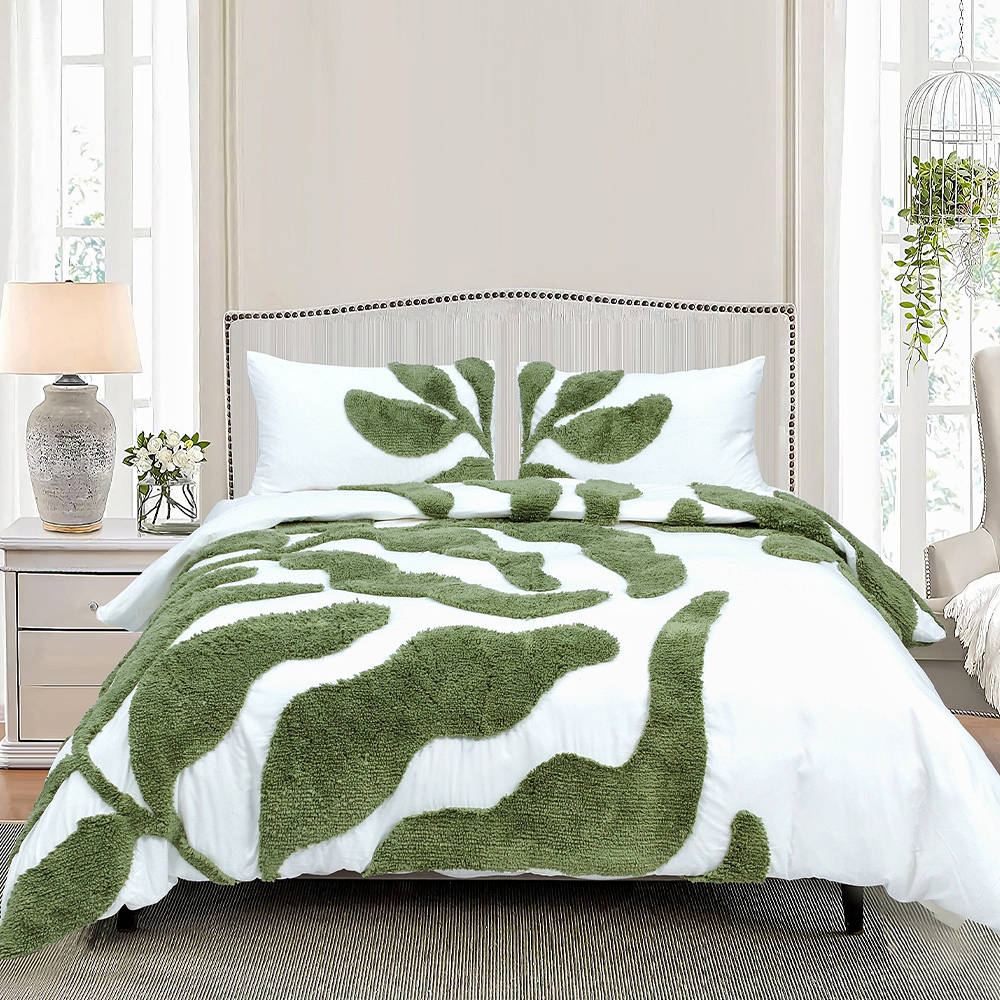
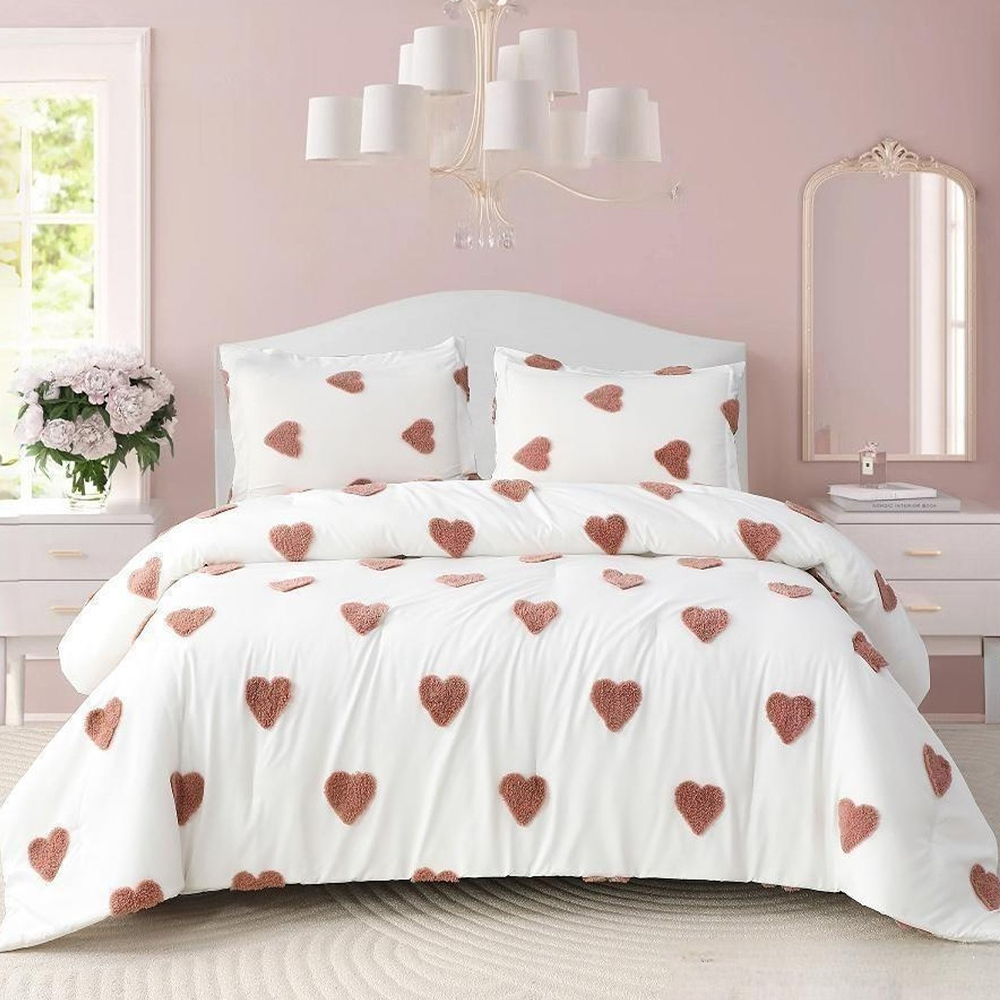
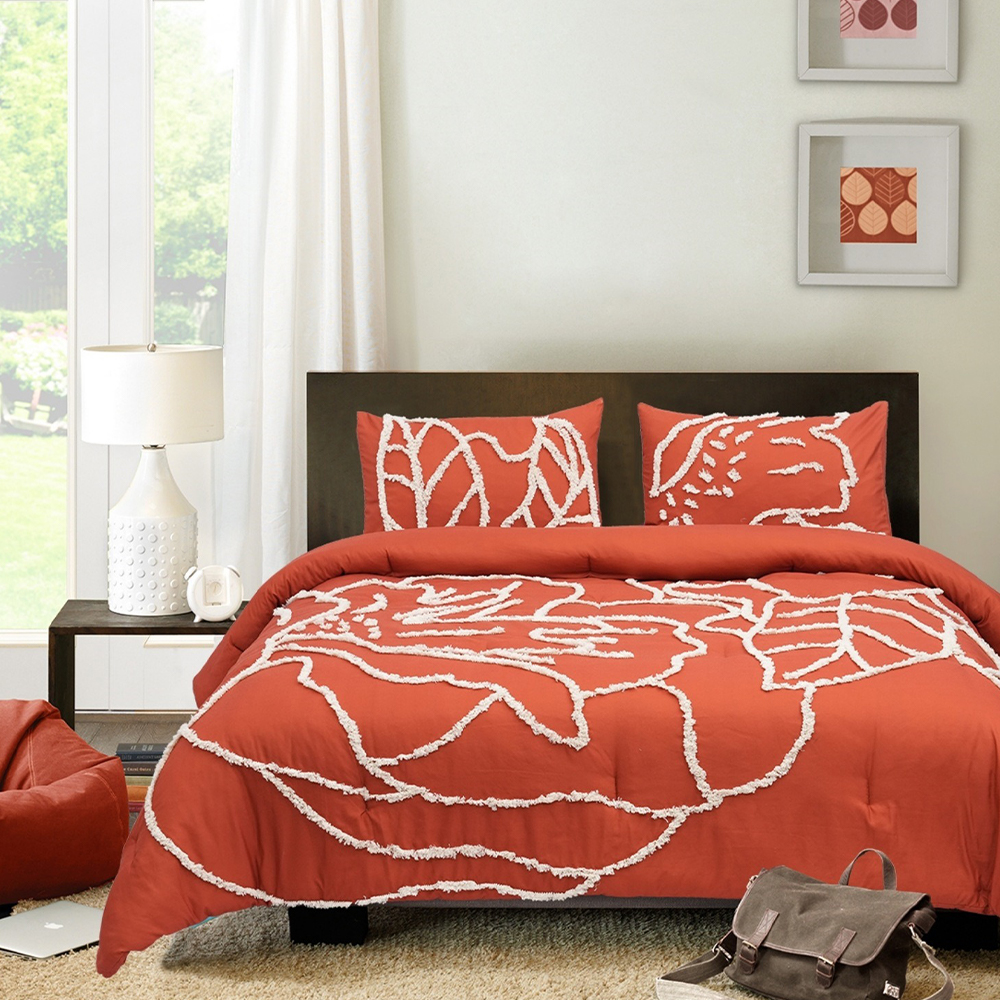
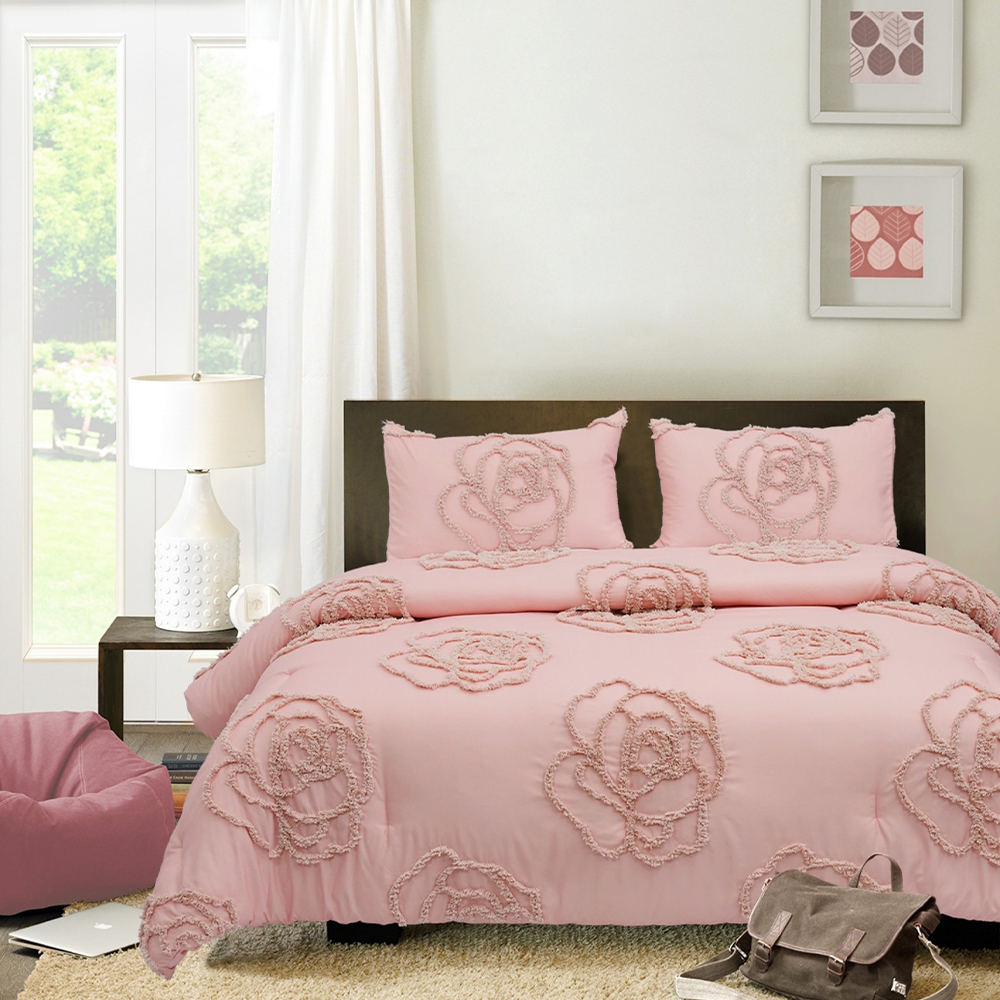
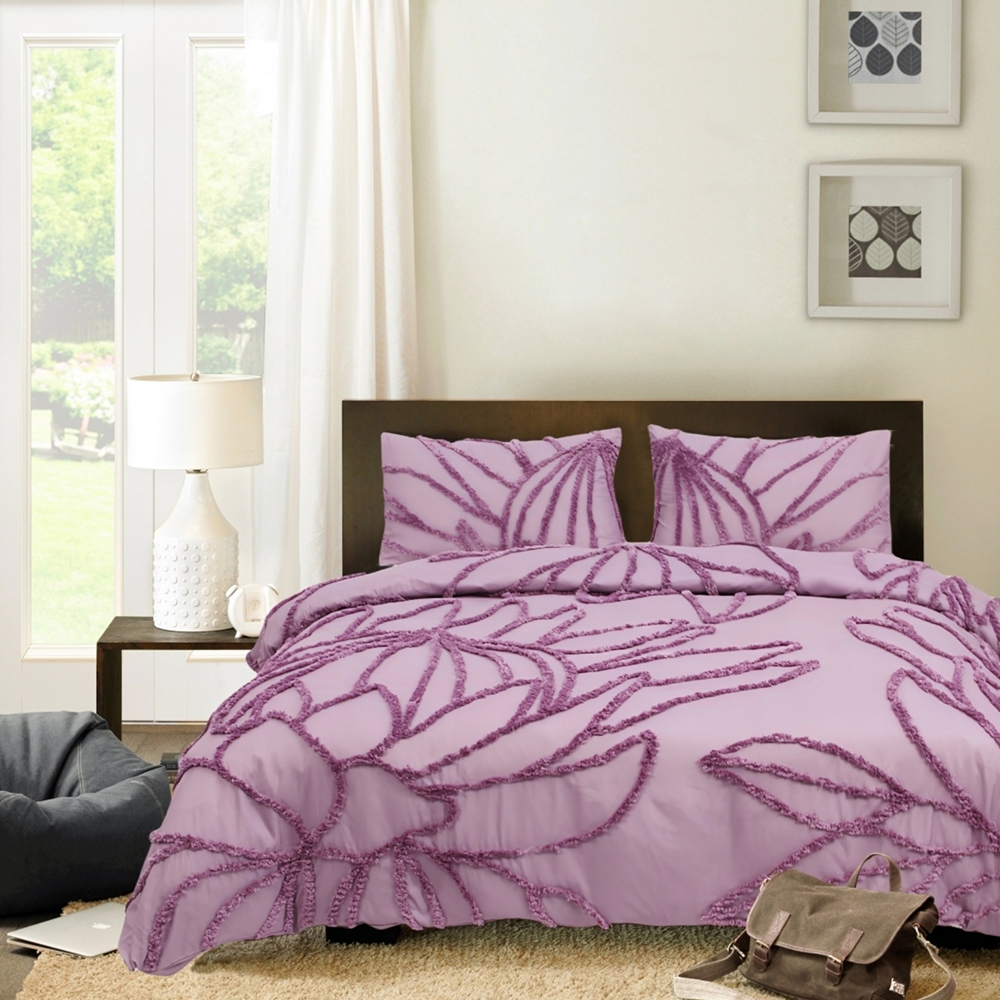
A tufted bedding duvet cover quilt cover combines raised, textured stitching with a durable cotton base fabric, giving a bedroom a layered, tactile look while remaining easy to wash and maintain. For buyers comparing options online, the two most common searches are for a 2 persoons dekbedovertrek, sized for a double or queen bed, and a dekbedovertrek 1 persoons, sized for a single or twin bed. Choosing between these two mainly depends on mattress width, while the choice between a tufted, embroidered, or chenille finish generally comes down to how much texture and visual depth a buyer wants on top of the bed.
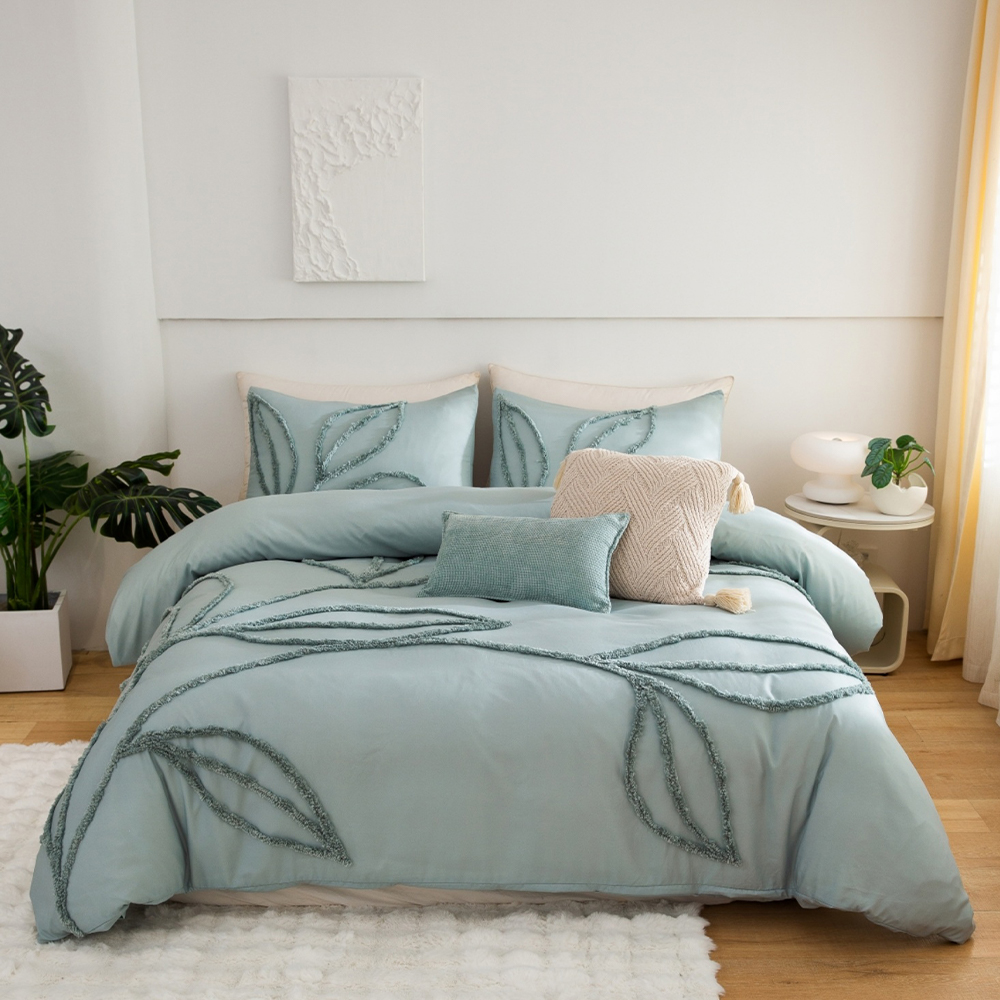
Beyond size and texture, color plays a significant role in how a duvet cover set fits an existing bedroom palette. Searches for a dekbedovertrek groen have grown alongside a broader shift toward earthy, nature-inspired bedroom tones, and a tufted or embroidered green cover pairs naturally with a plain white or cream hoeslaken, or fitted sheet, to complete a coordinated set. The sections below cover sizing, fabric construction, seasonal weight, color trends, and fitted sheet pairing, followed by a frequently asked questions section addressing the most common buyer concerns.
Understanding Duvet Cover Sizing: 1 Persoons vs 2 Persoons
Sizing is the first decision buyers make when shopping for a duvet cover, and it is also one of the most frequently searched terms in the Dutch bedding market. A dekbedovertrek 1 persoons is designed for a single or twin bed, typically measuring around 140 by 200 or 220 centimeters, while a 2 persoons dekbedovertrek is designed for a double, queen, or shared bed, typically measuring around 200 by 200 or 220 centimeters. Choosing the correct size matters not only for comfort but also for how evenly a tufted or embroidered pattern displays across the top of the bed once the duvet insert is placed inside the cover.
| Size Category | Typical Dimensions | Common Bed Type |
|---|---|---|
| Dekbedovertrek 1 persoons | 140 x 200/220 cm | Single or twin bed |
| 2 Persoons Dekbedovertrek | 200 x 200/220 cm | Double or queen bed |
| Lits-jumeaux extra large | 240 x 200/220 cm | Super king or twin-joined bed |
Matching the duvet cover to a correctly sized hoeslaken is equally important, since a fitted sheet that is too small will pull at the corners of the mattress, while one that is too large will bunch up and shift during the night. Most bedding sets sold as a coordinated collection list the fitted sheet size alongside the duvet cover size, which simplifies the buying decision for shoppers assembling a full bedding set rather than purchasing each piece separately.
Comparing Fabric Weight Across Tufted, Embroidered, and Chenille Covers
Fabric weight, measured in grams per square meter (GSM), has a direct effect on how a duvet cover feels and how warm it is to sleep under. The chart below compares typical GSM ranges across three common construction styles used in a tufted bedding duvet cover quilt cover collection, giving a general sense of how each style compares in terms of density and weight.
As the chart shows, chenille tends to sit at the heaviest end of the range due to its looped yarn construction, which adds bulk and warmth compared to a flatter embroidered surface. A tufted design generally falls in the middle of the range, since the raised stitching adds texture without the full yarn density of chenille. Embroidered covers are typically the lightest of the three, making them a reasonable choice for warmer climates or for buyers who prefer a lighter hand feel. When selecting a fabric weight, buyers should also consider how the cover will be paired with a duvet insert, since a heavier fabric combined with a thick insert can feel overly warm in a well-insulated bedroom. For a coordinated set, matching the fabric weight of the duvet cover to the weight of the accompanying hoeslaken helps keep the overall bedding ensemble consistent in both feel and seasonal suitability.
Seasonal Demand Patterns for Duvet Cover Sets
Demand for different duvet cover weights and finishes shifts across the year, and understanding this pattern can help buyers time a purchase or plan inventory around peak interest periods. The line chart below illustrates a general seasonal trend in search interest for heavier, textured covers such as tufted and chenille styles compared to lighter, breathable covers such as embroidered cotton.
The solid line represents search and purchase interest in heavier, textured covers such as tufted and chenille designs, which typically rises through autumn and peaks around the coldest months before tapering off in spring. The dashed line represents lighter, breathable covers, which stays comparatively flat throughout the year with a modest peak in late winter as buyers begin planning for warmer months ahead. This pattern suggests that a tufted bedding duvet cover quilt cover is often purchased as a seasonal upgrade for the colder part of the year, while embroidered or lighter cotton covers see steadier, more consistent interest. For retailers or buyers stocking a range of styles, keeping a mix of both heavier and lighter options available year-round helps capture demand across these differing seasonal patterns rather than concentrating inventory around a single peak period.
Comparing Texture, Softness, and Durability Across Cover Styles
Beyond weight alone, buyers often want to understand how a tufted finish compares to embroidered and chenille alternatives across several practical dimensions at once. The radar chart below compares these three styles across five factors: texture depth, softness, durability, breathability, and ease of care, giving a fuller picture than any single specification could provide on its own.
The dark blue shape shows that tufted covers generally score well on texture depth and warmth, reflecting the raised stitching pattern that gives this style its signature look, while still maintaining reasonable ease of care since most tufted cotton covers are machine washable. The light blue shape for embroidered covers shows stronger breathability and ease of care, consistent with a flatter, lighter fabric construction that dries faster and wrinkles less after washing. The dark gray shape representing chenille shows the strongest warmth and durability profile, at some cost to breathability, which is typical of a denser, looped yarn fabric.
No single style scores highest across every dimension, which is why many buyers choose based on which two or three factors matter most for their specific bedroom and climate. A shopper searching for a 2 persoons dekbedovertrek for a cooler bedroom may prioritize warmth and texture depth, making tufted or chenille the more natural fit, while a shopper focused on easy year-round maintenance may lean toward an embroidered cotton design instead.
Color Trends: Why Green Duvet Covers Are Gaining Popularity
Color choice has become an increasingly important part of the duvet cover buying decision, and searches for a dekbedovertrek groen have risen alongside a broader interior design shift toward earthy, botanical color palettes in the bedroom. The column chart below compares relative interest across a handful of popular duvet cover colors based on general market observation.
Green and blue tones currently show the strongest relative interest among shoppers browsing tufted and embroidered duvet cover collections, which aligns with a wider home decor trend favoring calming, nature-inspired colors over louder patterns. Gray remains a moderately popular neutral choice, often selected by buyers who want a duvet cover that blends easily with existing furniture rather than becoming a bedroom focal point. White continues to hold steady interest as a classic, versatile option that pairs easily with almost any hoeslaken or accent cushion color. For a shopper specifically searching for a dekbedovertrek groen, pairing a tufted or embroidered green cover with a white or cream fitted sheet tends to create a balanced look, since the plain fitted sheet lets the textured green cover remain the visual focus of the bed.
Pairing a Hoeslaken with a Tufted or Embroidered Duvet Cover Set
A well-matched hoeslaken, or fitted sheet, completes a bedding set and directly affects how the whole bed presents once the duvet cover and pillowcases are in place. Because a tufted or embroidered duvet cover already carries visual texture, most buyers choose a plain, solid-color fitted sheet rather than a second patterned fabric, which keeps the overall look coordinated rather than visually competing.
- Match the fitted sheet size exactly to the mattress depth, not just the width and length
- Choose a plain white or cream hoeslaken to complement a tufted or embroidered pattern
- Select a fitted sheet fabric weight similar to the duvet cover for a consistent seasonal feel
- Consider elastic corner depth, since deeper mattresses need a deeper fitted sheet pocket
For buyers assembling a full set around a 2 persoons dekbedovertrek, it is worth checking whether the fitted sheet is sold separately or bundled together, since bundled sets are generally cut and finished to match the duvet cover's fabric batch, reducing the chance of a slight color mismatch that can sometimes occur when pieces are purchased from different production runs.
About Hangzhou Directions Import & Export Co., Ltd.
Founded in 2018 in Hangzhou, China, with a passion for redefining sleep comfort and quality, Hangzhou Directions Import & Export Co., Ltd. is a professional bedding export company dedicated to providing premium bedding collections to global customers. For 7 years, the company has kept developing excellent bedding designs, materials, and the latest techniques to ensure customers receive satisfying bedding collections, including tufted, embroidered, and chenille duvet cover styles suited to markets such as the Netherlands.
The product portfolio covers a full range of bedding essentials, including duvet covers, quilt covers, comforters, quilts, bedcovers, curtains, cushions, throws, and blankets. The company adheres to core values of integrity, design excellence, superior quality, expert knowledge, and conscious practice. Design and quality are at the heart of operations, supported by a professional R&D and design team that combines global fashion trends with functional needs, creating products that balance aesthetic appeal and practicality.
The production process is supervised by experienced technicians, from raw material inspection to weaving, dyeing, stitching, and final packaging, and the company holds certifications such as OEKO-TEX Standard 100, ensuring products are of high quality. Guided by the principle of conscious practice, the company is committed to sustainable development, optimizing production processes to reduce energy consumption and waste while prioritizing eco-friendly materials and dyes.
Frequently Asked Questions
Q1: What size should I choose between a 1 persoons and a 2 persoons dekbedovertrek?
A dekbedovertrek 1 persoons fits a single or twin bed, typically around 140 by 200 or 220 centimeters, while a 2 persoons dekbedovertrek fits a double, queen, or shared bed, typically around 200 by 200 or 220 centimeters. Checking the exact mattress width before ordering helps avoid a cover that is too tight or too loose.
Q2: Is a tufted duvet cover harder to wash than a plain cotton one?
Most tufted cotton duvet covers are machine washable on a gentle cycle, though air drying or a low-heat tumble setting is generally recommended to preserve the raised texture over repeated washes.
Q3: Why has a dekbedovertrek groen become more popular recently?
Green duvet covers have benefited from a broader interior design trend toward earthy, nature-inspired bedroom palettes, and green pairs easily with a plain white or cream hoeslaken for a coordinated, balanced look.
Q4: Should the hoeslaken match the duvet cover pattern exactly?
Not necessarily. Most coordinated sets pair a textured duvet cover, such as a tufted or embroidered design, with a plain, solid-color fitted sheet, which keeps the overall bed looking balanced rather than overly busy.
- QUICK LINKS
- Company
- Customize
- Sustainable
- Download
- Contact Us
- GET IN TOUCH
-
- [email protected]
[email protected] - +86-13777321650
- +86-571-87247829
- Room 703, Building 2, No. 498 Fengqing Road, Gongshu District, Hangzhou City, Zhejiang Province, China
- [email protected]
- WHAT’S NEWS
- Corporate News
- Industry News