+86-13777321650


 русский
  Español

Hotel Duvet Guide Professional Secrets To Buying Luxury Beddingtufted
Content
- 1 Choosing A Tufted Bedding Duvet Cover: The Short Answer
- 2 Understanding Tufted Bedding Duvet Cover Construction
- 3 Popular Tufted Pattern Styles Including Trees Duvet Cover Designs
- 4 Fabric Composition Breakdown For Premium Duvet Covers
- 5 Duvet Cover Sizing Guide
- 6 Durability Comparison Across Wash Cycles
- 7 Seasonal Demand Trend For Cotton Bedding
- 8 Duvet Cover Versus Quilt Cover: Understanding The Difference
- 9 Why Hotels Favor Tufted Cotton Bedding
- 10 Caring For Tufted Bedding To Preserve Pattern Quality
- 11 Buying Checklist For A Tufted Bedding Duvet Cover
- 12 About Hangzhou Directions Import And Export Co Ltd
- 13 Frequently Asked Questions
Choosing A Tufted Bedding Duvet Cover: The Short Answer
A well made tufted bedding duvet cover works best when it is built from pure cotton, features tightly stitched tufting that will not loosen after repeated washing, and matches the correct size for your mattress and insert. For most bedrooms, a 100% cotton duvet cover set gives the strongest balance of softness, breathability, and long term durability compared with blended fabrics. Hotel grade bedding almost always relies on cotton percale or sateen weaves because these weaves hold their shape, resist pilling, and keep tufted patterns crisp wash after wash. Choosing the right weight, weave, and thread density also affects how the tufted texture reads visually on the finished bed, since heavier fabrics tend to show deeper stitched relief while lighter fabrics create a softer, more subtle texture. This guide walks through fabric selection, sizing, tufted construction quality, pattern styles including trees duvet cover designs, seasonal trends, care routines, and a full buying checklist so you can shop for a duvet cover and quilt cover with confidence, whether you are furnishing a single guest room or outfitting an entire hotel property.
Throughout this guide, references to duvet cover 100% cotton construction, 100 cotton duvet cover king sizing, and tufted stitching quality are grounded in general textile industry practice rather than any single brand claim, so the information applies broadly whether you are comparing a pure cotton duvet cover set for a small apartment or a full hospitality supply order.
Understanding Tufted Bedding Duvet Cover Construction
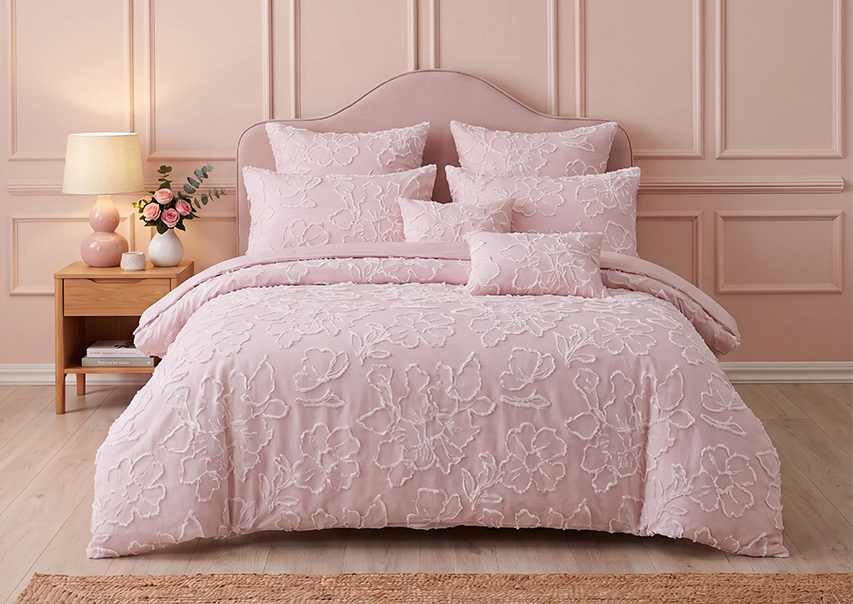
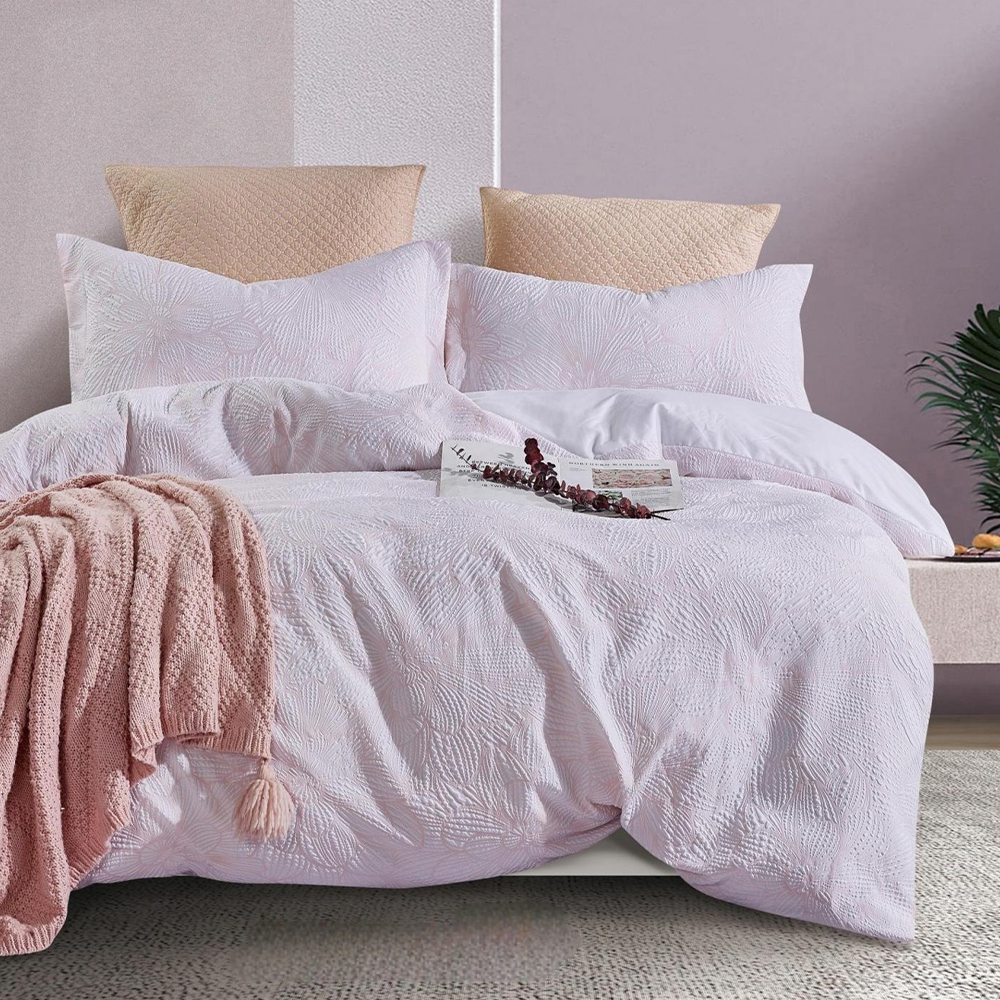
Tufted bedding refers to a duvet cover or quilt cover finished with small stitched clusters that create a raised, textured pattern across the fabric surface. This construction method is common on hotel style bedding because it adds visual depth without relying on printed patterns that can fade over time. A duvet cover 100% cotton base is generally preferred for tufted designs because cotton fibers hold tufting stitches securely and do not stretch out of shape the way some synthetic blends can after repeated laundering. The tufting process typically involves stitching through two or more layers of fabric at regular intervals, which pulls the surface into small dimensional peaks that catch light differently than a flat printed surface.
Why Cotton Percale Suits Tufted Patterns
Percale weave cotton has a tight, matte finish that keeps tufted stitching flat and defined. Sateen weave cotton has a slightly glossier finish and a softer hand feel, which many hotel properties choose for a more luxurious look on trees duvet cover and other decorative pattern lines. Both weaves perform well for tufted bedding, but percale tends to show tufted texture more clearly because of its crisper surface, while sateen softens the visual contrast between the raised tufted areas and the surrounding flat fabric.
Thread Count Considerations For Tufted Fabric
Thread count measures the number of horizontal and vertical threads woven into one square inch of fabric. For tufted duvet covers, a moderate to high thread count generally performs better because denser weaves resist puckering around each tufted stitch point. Extremely low thread count fabric can pull and distort around tufting stitches, while extremely high thread count fabric can feel heavy and reduce breathability. A balanced range tends to give the best combination of drape, durability, and comfort for everyday bedroom or hotel use.
Popular Tufted Pattern Styles Including Trees Duvet Cover Designs
Tufted bedding is available in a wide range of pattern styles, and nature inspired motifs remain consistently popular across both residential and hospitality bedding categories. A trees duvet cover pattern, for example, uses tufted stitching to outline branch and leaf shapes across the fabric surface, creating a textured silhouette that reads clearly from across a room. This type of pattern works well in both neutral and seasonal color palettes, since the raised stitching itself provides visual interest independent of color contrast. Geometric tufted patterns, including grid lines, diamond shapes, and channel stitching, are also widely used because they create a clean, structured look that suits minimalist and hotel style interiors.
Beyond nature and geometric motifs, many collections combine tufted borders with a plain center panel, which reduces production complexity while still delivering a decorative edge detail. This hybrid approach is common in mid range and premium duvet cover lines because it balances visual interest with manufacturing efficiency, and it also tends to be easier to iron and maintain since only the border area contains raised stitching.
- Nature motifs such as trees duvet cover and leaf patterns for a soft organic look
- Geometric channel stitching for a structured, hotel style appearance
- Diamond and grid tufting for a classic, timeless finish
- Border tufting combined with a plain center panel for easier care
Fabric Composition Breakdown For Premium Duvet Covers
The chart below shows a general fabric composition breakdown commonly found across premium hotel style duvet cover collections. Pure cotton fabrics make up the largest share because of their durability and breathability, followed by cotton blends that combine natural fiber softness with easier wrinkle resistance. A smaller share of collections use specialty weaves reserved for tufted or embroidered designs. This distribution reflects general industry sourcing patterns rather than any single supplier, and it explains why a 100% Cotton Duvet Cover Set King remains one of the most searched and purchased categories in hotel and residential bedding alike. Buyers who prioritize longevity and a soft hand feel typically gravitate toward the pure cotton segment shown here, and many hospitality procurement teams specifically request pure cotton duvet cover set options when refreshing guest room inventory because of the consistent hand feel across large fabric orders.
Approximate share: Pure Cotton 60 percent, Cotton Blend 24 percent, Specialty Tufted Weave 16 percent, based on general category sourcing patterns.
Duvet Cover Sizing Guide
Choosing the correct size is one of the most overlooked steps when buying a tufted bedding duvet cover. A cover that is too small will bunch the insert, while one that is too large will slide and lose its tufted pattern alignment overnight. Below is a general sizing reference that applies to most 100% cotton duvet cover single and larger format options. Getting the size right also matters specifically for tufted designs, since a loose fitting cover can cause tufted stitching lines to twist away from their intended straight or symmetrical layout, which reduces the visual impact of the pattern.
| General duvet cover sizing reference for common mattress categories | |||
| Size Category | Approximate Width | Approximate Length | Common Use |
| Single | 135 cm | 200 cm | Single bed, guest room |
| Double | 200 cm | 200 cm | Standard double bed |
| Queen | 210 cm | 210 cm | Queen bed, guest suites |
| King | 220 cm | 230 cm | King bed, hotel suites |
A 100% cotton double duvet cover is one of the most common choices for standard household bedrooms, while hotel properties and larger primary bedrooms typically move toward the king category to maintain even drape over larger mattresses. For guest rooms with varied bed sizes, keeping a mixed inventory of single, double, and king covers under one consistent tufted pattern line helps maintain a unified look across an entire property without needing to source separate designs for each room type.
Matching Cover Size To Insert Weight
Beyond width and length, it helps to match cover size to insert loft and weight. A lightweight summer insert paired with an oversized cover can shift and bunch inside the shell overnight, while a heavier winter insert paired with an undersized cover can strain seams and tufted stitching over time. Selecting a cover sized specifically for the insert being used, rather than defaulting to the mattress size alone, tends to produce a neater, more consistent tufted surface appearance.
Durability Comparison Across Wash Cycles
The bar chart below illustrates a general durability trend for tufted cotton duvet covers across repeated home laundering cycles. Pure cotton tufted covers tend to retain their stitched texture and color depth longer than lower grade blended fabrics because cotton fibers absorb dye more evenly and hold stitching tension well. Lower quality blends can show fraying at tuft points after fewer wash cycles, which affects both appearance and longevity. This is one reason hotel procurement teams and residential buyers alike lean toward a 100 cotton duvet cover king option when durability across frequent laundering is a priority. The chart reflects general category performance rather than any single product test result, and it also illustrates why many buyers treat fabric composition as the primary durability signal when comparing a 100 duvet cover option against a blended alternative.
Illustrative durability trend across fabric categories after repeated home laundering.
Seasonal Demand Trend For Cotton Bedding
Consumer interest in cotton duvet covers and quilt covers tends to rise heading into autumn and winter months as households refresh bedding for cooler weather, then gradually ease during peak summer. The area chart below shows a general seasonal interest pattern that mirrors typical home textile shopping behavior. Interest often spikes again briefly around major seasonal transitions when households swap lighter summer bedding for heavier winter sets. This pattern is consistent with general retail bedding category behavior and helps explain why many buyers search for pure cotton duvet cover set options ahead of colder months, while hospitality buyers often plan restocking of duvet cover and quilt cover inventory around these same seasonal windows to avoid supply gaps during peak demand periods.
General seasonal interest trend for cotton duvet cover and quilt cover categories.
Duvet Cover Versus Quilt Cover: Understanding The Difference
Although the terms duvet cover and quilt cover are often used interchangeably in everyday conversation, they can refer to slightly different bedding constructions depending on regional terminology. A duvet cover is generally a removable fabric shell designed to encase a soft, loose filled insert, secured with buttons, ties, or a zipper along one edge. A quilt cover typically serves the same protective and decorative function but is sometimes associated with slightly different closure styles or regional naming conventions. In practical terms, both serve the same core purpose: protecting the insert from body oils, dust, and general wear while allowing the outer fabric layer to be removed and laundered separately.
For tufted bedding specifically, the distinction matters less than fabric quality and construction, since tufted stitching can be applied to either a duvet cover or quilt cover shell with equally strong results. Buyers comparing tufted bedding duvet cover and quilt cover listings should focus primarily on fabric composition, thread count, closure type, and tufting stitch density rather than the terminology used in the product title.
| General comparison between duvet cover and quilt cover terminology and features | ||
| Feature | Duvet Cover | Quilt Cover |
| Primary Function | Encases loose filled insert | Encases loose filled insert |
| Common Closure | Buttons or zipper | Buttons, ties, or zipper |
| Typical Fabric | Cotton percale or sateen | Cotton percale or sateen |
| Tufted Options | Widely available | Widely available |
Why Hotels Favor Tufted Cotton Bedding
Hospitality properties tend to standardize on pure cotton tufted bedding for several practical reasons beyond appearance. Cotton fibers withstand industrial laundering temperatures and frequent wash cycles far better than many synthetic blends, which matters enormously for properties laundering hundreds of covers weekly. Tufted texture also helps mask minor wrinkling that can occur during commercial laundry pressing, since the raised stitched areas break up the visual field and make small surface imperfections less noticeable than they would be on a completely flat printed fabric.
Guest comfort perception also plays a role in this preference. Textured, tufted bedding is often associated with a more elevated, boutique hotel aesthetic compared with plain flat fabric, even when the underlying fabric composition is similar. This perceived quality difference is one reason many properties specifically request a 100% cotton duvet cover set with tufted detailing when refreshing guest room bedding, treating the tufted texture as a visual signal of overall room quality alongside thread count and weave type.
- Cotton withstands frequent industrial laundering better than most blends
- Tufted texture helps disguise minor wrinkling after commercial pressing
- Textured bedding is often perceived as higher quality by guests
- Consistent fabric composition across large orders simplifies inventory management
Caring For Tufted Bedding To Preserve Pattern Quality
Proper care extends the life of any tufted duvet cover, particularly around stitched tuft points where thread tension is highest. Washing in cool to warm water rather than hot water helps prevent shrinkage and reduces stress on tufted stitching. Tumble drying on a low setting, or line drying when possible, further protects the tufted texture from excessive heat exposure. Ironing directly over tufted areas should be avoided, since flattening the raised stitching removes the decorative texture that defines this style of bedding. Rotating between two or more duvet cover sets also reduces cumulative wear on any single cover, extending the useful life of tufted stitching across the full collection.
Storing unused tufted covers properly also matters. Folding covers loosely rather than compressing them tightly helps tufted areas retain their raised shape between uses, since prolonged compression can flatten stitched clusters over time. A breathable storage bag rather than a sealed plastic bag also helps prevent moisture buildup that could otherwise affect fabric quality during longer term storage between seasons.
- Wash in cool or warm water rather than hot cycles
- Dry on low heat or line dry to protect tufted stitching
- Avoid ironing directly over tufted texture areas
- Wash similar colors together to preserve dye consistency
- Rotate between multiple covers to reduce wear on any single set
- Store folded loosely in a breathable bag rather than compressed tightly
Buying Checklist For A Tufted Bedding Duvet Cover
Before finalizing a purchase, running through a short checklist can help ensure the tufted bedding duvet cover you select will perform well over the long term. Fabric composition should be reviewed first, since a duvet cover 100% cotton construction generally outperforms blended alternatives in both durability and breathability. Stitch density around tufted points should feel secure and even, without loose threads or uneven spacing. Size should be matched carefully against both mattress dimensions and insert loft, and closure hardware such as buttons or zippers should feel sturdy rather than flimsy.
| Quick reference checklist for evaluating a tufted duvet cover before purchase | |
| Checklist Item | What To Look For |
| Fabric Composition | Pure cotton or high cotton content blend |
| Tufting Quality | Even, secure stitching with no loose threads |
| Size Match | Correct width and length for mattress and insert |
| Closure Hardware | Sturdy buttons, ties, or zipper |
| Weave Type | Percale for crisp texture, sateen for softer sheen |
About Hangzhou Directions Import And Export Co Ltd
Hangzhou Directions Import & Export Co., Ltd. was founded in 2018 in Hangzhou, China, with a focus on redefining sleep comfort and quality. The company is a professional bedding export business dedicated to supplying premium bedding collections to customers around the world. Over seven years of continuous development, the team has refined bedding designs, fabric selection, and production techniques to deliver bedding collections that meet a high standard of comfort and craftsmanship.
The product portfolio covers a full range of bedding essentials including duvet covers, quilt covers, comforters, quilts, bedcovers, curtains, cushions, throws, and blankets. Operations are guided by core values of integrity, design excellence, superior quality, expert knowledge, and conscious practice. A dedicated research and design team combines global fashion trends with functional needs to create products that balance visual appeal with everyday practicality, while experienced technicians supervise every stage from raw material inspection through weaving, dyeing, stitching, and final packaging.
The company holds recognized textile quality certifications and follows a sustainable production approach that reduces energy consumption and waste while prioritizing eco friendly materials and dyes. This combination of design focus, quality supervision, and sustainable practice supports a consistent standard across the full range of duvet cover and quilt cover collections offered, including tufted bedding lines developed for both residential and hospitality customers.
Frequently Asked Questions
Q1: What makes tufted bedding different from printed duvet covers
Tufted bedding uses raised stitched patterns rather than printed designs, giving the fabric surface texture and depth that stays consistent through washing.
Q2: Is a 100 percent cotton duvet cover better than a blend
Pure cotton generally offers stronger breathability and holds tufted stitching more securely over repeated washing compared with many blended fabrics.
Q3: How do I choose between single, double, and king duvet cover sizes
Match the cover size to your mattress and insert dimensions, checking width and length against the sizing table above to avoid bunching or excess fabric.
Q4: How should I wash a tufted quilt cover to protect the pattern
Wash in cool or warm water, avoid high heat drying, and skip ironing directly over the tufted stitching to keep the texture intact.
Q5: When is demand for cotton duvet covers typically highest
Interest generally rises heading into autumn and winter as households refresh bedding for cooler weather, based on general seasonal retail patterns.
Q6: What is the difference between a duvet cover and a quilt cover
Both encase a loose filled insert and serve the same protective function, differing mainly in regional terminology and sometimes closure style rather than core construction.
Q7: Why do hotels often choose tufted cotton bedding
Cotton withstands frequent industrial laundering well, and tufted texture helps disguise minor wrinkling while giving rooms a more elevated visual impression.
Q8: How can I extend the life of a tufted duvet cover
Rotate between multiple covers, wash in cool or warm water, avoid ironing over tufted areas, and store folded loosely in a breathable bag between uses.
- QUICK LINKS
- Company
- Customize
- Sustainable
- Download
- Contact Us
- GET IN TOUCH
-
- [email protected]
[email protected] - +86-13777321650
- +86-571-87247829
- Room 703, Building 2, No. 498 Fengqing Road, Gongshu District, Hangzhou City, Zhejiang Province, China
- [email protected]
- WHAT’S NEWS
- Corporate News
- Industry News