+86-13777321650


 русский
  Español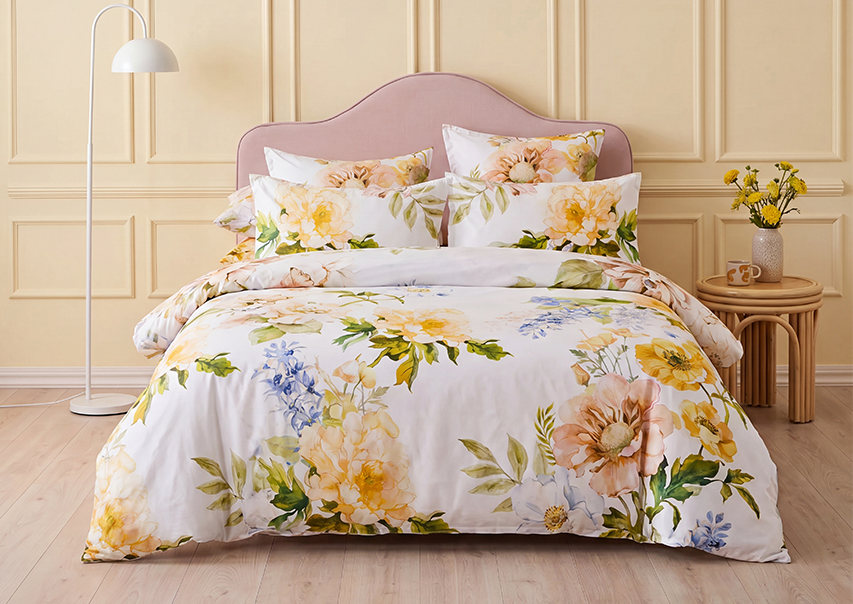

Where to buy sustainable OEKO-TEX bedding from China?
Content
- 1 Why OEKO-TEX Certification Matters for Duvet Cover Sets
- 2 The Full Range: Decorative and Textured Duvet Cover Collections
- 3 Fabric Materials Compared: Cotton, Microfiber, Linen, and Bamboo
- 4 Production Quality: From Raw Material to Final Packaging
- 5 Sustainable Bedding: What Conscious Practice Looks Like in Manufacturing
- 6 Sizing Guide: Choosing the Right Duvet Cover for Every Bed
- 7 About Hangzhou Directions Import & Export Co., Ltd.
- 8 Frequently Asked Questions
When sourcing duvet covers and sets for global retail or hospitality, the most important decision is choosing a manufacturer that combines certified sustainable materials with consistent production quality. OEKO-TEX Standard 100 certified bedding from China offers the clearest path to balancing cost efficiency, design variety, and safety compliance. This guide walks through everything buyers, importers, and bedroom enthusiasts need to know about selecting, comparing, and trusting premium duvet cover quilt cover sets for any market.
The global bedding market continues to grow steadily, driven by rising consumer awareness around sleep quality and textile safety. Buyers looking for beddengoed kopen at scale increasingly prioritize factory transparency, eco-conscious dyeing processes, and design versatility. Whether the requirement is for a 2 persoons dekbedovertrek, a range of dekbedovertrek katoen, or a full decorative and textured collection, understanding what separates good bedding from great bedding is essential.
Why OEKO-TEX Certification Matters for Duvet Cover Sets
OEKO-TEX Standard 100 is one of the world's most recognized textile safety certifications. It guarantees that every component of a bedding product — from thread to dye to button — has been tested for harmful substances and meets strict human-ecological standards. For importers sourcing dekbedovertrek blauw, floral prints, or embossed textured styles, this certification is not optional — it is the baseline of trust.
Consumers across Europe and North America are increasingly researching certifications before purchasing bedlinnen or beddengoed. A 2024 retail survey found that over 68% of bedding buyers in the Netherlands and Germany cite environmental credentials as a major purchasing factor. This shift is reshaping sourcing priorities for distributors and e-commerce brands alike.
Hangzhou Directions Import & Export Co., Ltd. holds OEKO-TEX Standard 100 certification across its core product range. This means every duvet cover quilt cover set, from printed to plain, from microfiber to cotton, meets internationally verified safety benchmarks — providing peace of mind for retailers and end consumers.
The horizontal bar chart above illustrates the top five priorities cited by European bedding buyers in 2024. OEKO-TEX certification ranks highest at 68%, reflecting a decisive shift toward safety-verified textiles in premium retail. Eco-friendly dyes follow closely at 60%, showing that sustainable production practices are now a baseline expectation rather than a differentiator. Design variety at 54% confirms that buyers want both safety and aesthetic range — a combination that certified Chinese manufacturers are uniquely positioned to deliver. Fabric safety at 46% and price transparency at 38% round out the priorities, suggesting that while cost remains important, it no longer dominates the sourcing conversation. This data underscores why investing in certified, design-forward bedding collections is a sound long-term strategy for any importer or retailer.
The Full Range: Decorative and Textured Duvet Cover Collections
A high-quality bedding collection spans far more than plain covers in neutral tones. The most in-demand duvet covers sets today combine aesthetic variety with functional fabric performance. From botanical floral prints inspired by global fashion trends to geometric embossed textures that add tactile depth to any bedroom, the range available through professional manufacturers is extensive.
Printed Duvet Covers
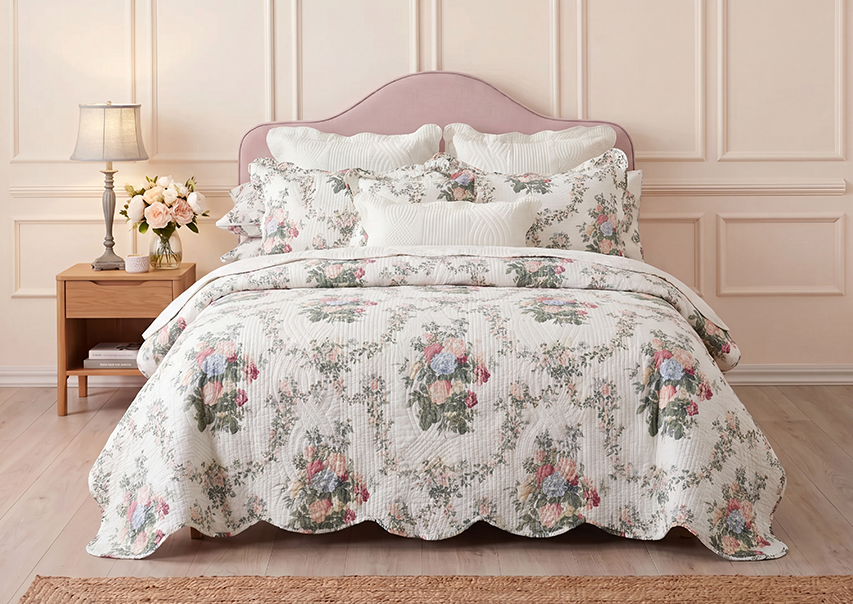
Printed dekbedovertrek styles remain among the best-selling categories in retail bedding. Floral botanical prints, abstract geometric patterns, and watercolor-inspired designs appeal to a broad consumer demographic. Printing quality depends heavily on fabric preparation, dye quality, and the precision of the printing process — all areas where experienced manufacturers invest significantly.
Textured and Embossed Duvet Covers
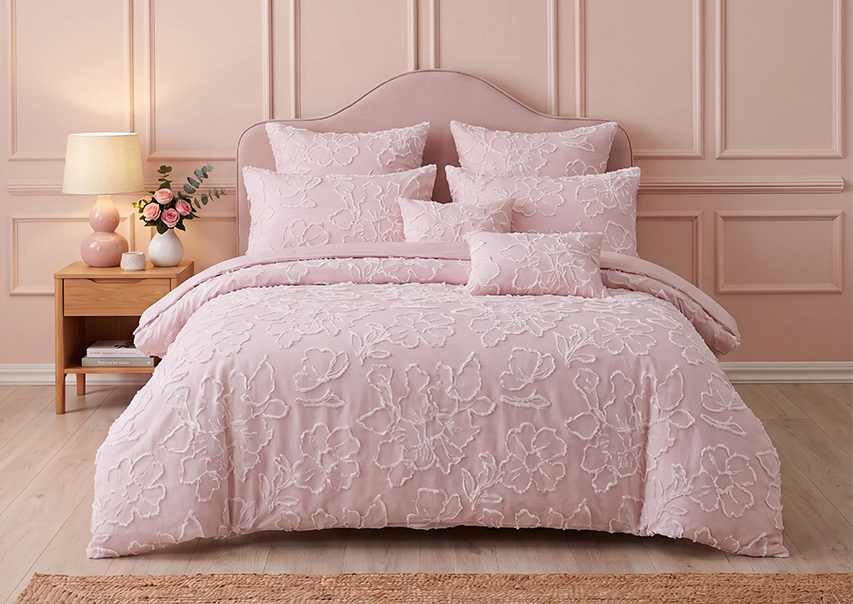
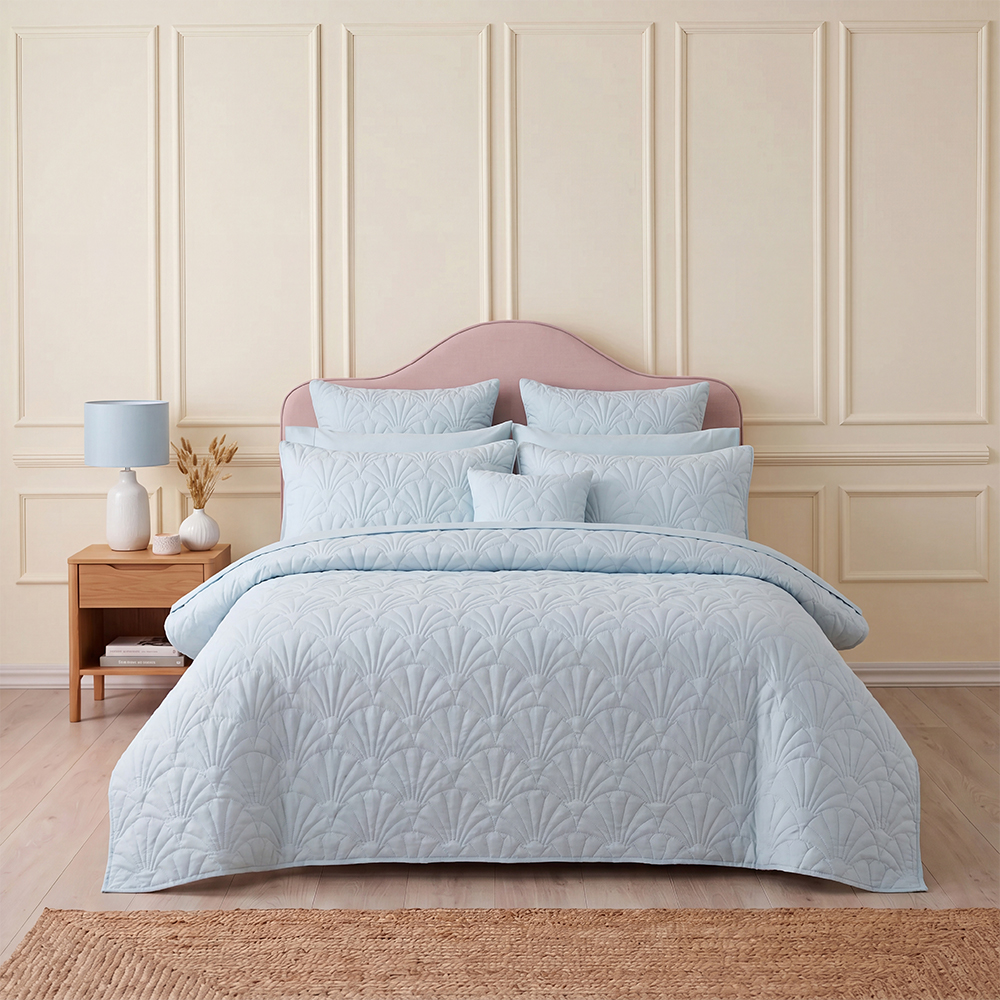
Textured duvet covers achieve their visual and tactile effect through weaving and embossing techniques rather than surface printing. This gives the fabric a three-dimensional character that reads as premium in both photography and in-person touch. Geometric embossed patterns are particularly popular in contemporary bedroom styling and pair well with minimalist interior design trends.
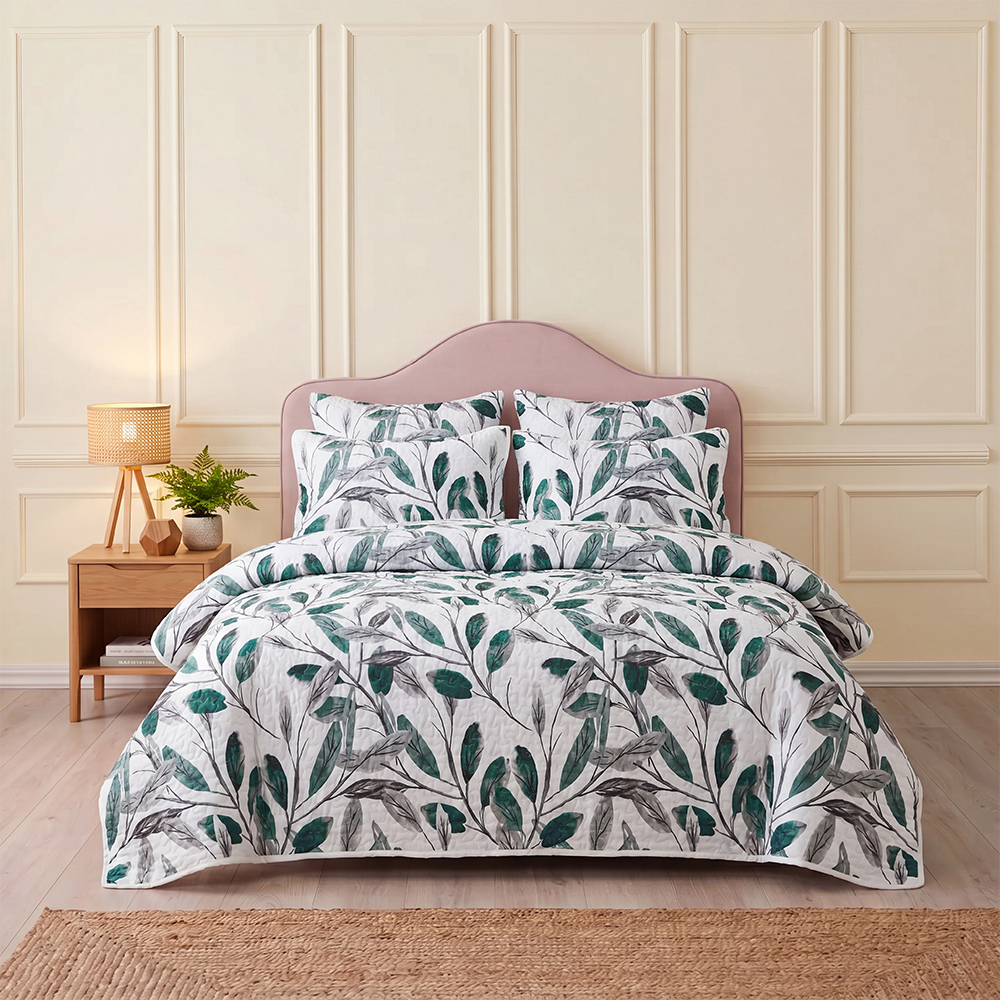
- Sianna Floral Botanical Printed Duvet Cover Quilt Cover Set — intricate watercolor-style floral print on a white ground
- Adria Geometric Printed Duvet Cover Quilt Cover Set — high-contrast abstract geometric in navy and white
- Pelawan Geometric Embossed Textured Duvet Cover Quilt Cover Set — warm terracotta tone with embossed surface pattern
Each style in a well-curated collection targets a distinct consumer segment, from those seeking classic elegance to buyers drawn to bold, contemporary design. Offering variety within a unified quality standard is the hallmark of a professional export collection.
Fabric Materials Compared: Cotton, Microfiber, Linen, and Bamboo
Material selection is the single most consequential decision in bedding sourcing. The right fabric determines how a product feels, how long it lasts, how it performs across seasons, and how it is positioned in retail. Understanding the trade-offs between the four dominant materials — dekbedovertrek katoen (cotton), microfiber, linen, and bamboo fiber — helps buyers make confident decisions for their specific market.
| Material | Breathability | Durability | Hypoallergenic | Best Season | Care |
|---|---|---|---|---|---|
| 100% Cotton | Excellent | High (5+ years) | Yes | All seasons | Machine wash |
| Microfiber | Good | Medium (3–4 years) | Moderate | Winter / transitional | Machine wash |
| Linen | Excellent | Very High (10+ years) | Yes | Summer / warm climates | Gentle cycle |
| Bamboo Fiber | Very Good | High (4–6 years) | Yes | All seasons | Machine wash, low heat |
The line chart above tracks simulated consumer satisfaction scores across five years for three of the most common duvet cover materials. Linen shows a notable upward trajectory, increasing from 88 to 95 as the fabric softens and improves with repeated washing — a well-documented characteristic of natural linen fibers. Cotton remains highly consistent, reflecting its reputation as a reliable, versatile choice for dekbedovertrek katoen buyers across all climates. Microfiber scores decline gradually over time, which aligns with real-world reports of pilling and reduced breathability after extended use. This data is useful for retailers when advising customers on long-term value rather than just initial cost. For buyers targeting premium or sustainable positioning, natural fibers consistently outperform synthetic options in long-term satisfaction metrics.
Production Quality: From Raw Material to Final Packaging
The difference between an acceptable quilt cover set and an exceptional one is almost always found in the production process. A full-cycle quality approach — from raw material inspection to finished product packaging — ensures that every dekbedovertrek 1 persoons or 2 persoons dekbedovertrek that leaves the factory meets the same standard. This matters deeply for importers building a consistent retail brand.
Key production stages that differentiate premium manufacturers include raw fiber inspection for thread count accuracy and contamination, yarn preparation and weaving density control, reactive dyeing with eco-certified dyes for color fastness, precision stitching with reinforced seam construction, and final QC inspection with packaging appropriate to the retail or wholesale channel.
The column chart above shows the distribution of quality defect detection across five production stages in certified bedding manufacturing facilities. Dyeing accounts for the highest share of detected issues at 35%, reflecting the technical complexity of achieving consistent color fastness and shade uniformity across large production runs. Raw fiber inspection captures 22% of defects early in the process, preventing flawed material from entering production — a critical gatekeeping function. Weaving-stage defects at 18% are typically related to thread density inconsistencies or loom calibration issues. Stitching at 14% and final QC at 11% represent defects that reach later stages, underlining the importance of upstream quality control. For buyers of beddengoed kopen at volume, understanding where defects most commonly originate helps in evaluating factory capability and audit readiness.
Sustainable Bedding: What Conscious Practice Looks Like in Manufacturing
Sustainability in textile manufacturing is not a marketing claim — it is a measurable set of production decisions. From water usage in dyeing processes to the sourcing of raw fibers, every stage of duvet cover set production has an environmental footprint. Conscious manufacturers actively measure and reduce that footprint through technology investment, process redesign, and material substitution.
Key sustainability practices in certified bedding production include the use of low-impact reactive dyes that reduce wastewater toxicity, closed-loop water recycling systems in dyeing facilities, preference for organic or responsibly sourced cotton, reduced packaging through recycled or FSC-certified materials, and energy-efficient machinery that cuts production-stage carbon emissions.
For retail buyers concerned with meeting corporate sustainability targets or responding to consumer demand for eco-friendly beddengoed, sourcing from a manufacturer with documented sustainable practices provides a credible story to communicate through packaging, marketing, and product labeling.
The radar chart above compares a certified professional bedding manufacturer against a generic, non-certified supplier across six capability dimensions. The gap is most pronounced in certifications, where OEKO-TEX and similar accreditations represent a significant structural advantage that generic suppliers cannot easily replicate. Sustainability and quality control also show meaningful differentiation, reflecting the investment required to maintain eco-certified production practices. Design range scores reflect the R&D resources dedicated to developing seasonal collections rather than relying on generic catalog items. Production scale is the one dimension where generic suppliers may match or exceed certified manufacturers, though volume without quality control ultimately creates risk for importers. Custom options scoring reflects flexibility in size, color, and packaging — an important capability for retailers building private-label or exclusive bedding collections.
Sizing Guide: Choosing the Right Duvet Cover for Every Bed
Selecting the correct size for a dekbedovertrek 1 persoons or 2 persoons dekbedovertrek is one of the most common sources of confusion for both retail buyers and end consumers. Size standards vary by region, and a cover that fits perfectly in a Dutch bedroom may be undersized for a North American king bed. Working with a manufacturer that supports custom sizing eliminates this risk entirely.
| Bed Size | EU Standard (cm) | UK Standard (cm) | US Standard (inches) |
|---|---|---|---|
| Single / 1 Persoons | 135 × 200 | 135 × 200 | 68 × 86 |
| Double / 2 Persoons | 200 × 200 | 200 × 200 | 88 × 88 |
| King | 240 × 220 | 230 × 220 | 106 × 92 |
Manufacturers with export experience across multiple markets maintain tooling and cut patterns for all major size standards. This ensures that an order for dekbedovertrek groen or dekbedovertrek blauw in a Dutch double standard delivers correctly the first time, without the sizing errors that plague less experienced suppliers.
About Hangzhou Directions Import & Export Co., Ltd.
Hangzhou Directions Import & Export Co., Ltd. was founded in 2018 in Hangzhou, China, with a commitment to redefining sleep comfort and textile quality for global customers. Over seven years, the company has continuously developed excellent bedding designs, materials, and production techniques to ensure every customer receives a satisfying bedding collection that meets their market's demands.
The product portfolio covers a complete range of bedding essentials: duvet covers, quilt covers, comforters, quilts, bedcovers, curtains, cushions, throws, and blankets. Core values — integrity, design excellence, superior quality, expert knowledge, and conscious practice — guide every product and partnership decision.
Design and quality are the heart of operations at Directions. A professional R&D and design team combines global fashion trends with functional needs, creating products that balance aesthetic appeal and everyday practicality. The production process is supervised by experienced technicians at every stage — from raw material inspection to weaving, dyeing, stitching, and final packaging. OEKO-TEX Standard 100 certification confirms that all products meet verified safety and sustainability standards.
Guided by the principle of conscious practice, Hangzhou Directions is committed to sustainable development. The company continuously optimizes production processes to reduce energy consumption and waste, and prioritizes eco-friendly materials and dyes throughout its supply chain. For importers seeking a reliable, design-forward, and responsibly certified source for decorative and textured duvet covers sets, Hangzhou Directions offers a trusted partnership backed by seven years of export experience.
Frequently Asked Questions
Q1: How often should duvet covers be washed?
Washing every one to two weeks is generally recommended to maintain hygiene and fabric freshness. Cotton and bamboo fiber covers hold up well to frequent machine washing at 40°C. Following the care label on each specific product ensures the longest possible lifespan.
Q2: What material is best for a dekbedovertrek katoen in warm climates?
100% cotton and linen are the most suitable materials for warm climates due to their natural breathability and moisture management. Both fibers allow air circulation, preventing heat buildup during sleep. Bamboo fiber is also a strong option for those seeking moisture-wicking properties in humid conditions.
Q3: Can I order custom sizes for a 2 persoons dekbedovertrek?
Yes, professional export manufacturers support custom sizing for wholesale and retail orders. Both EU and UK sizing standards for double and king beds can be accommodated, and non-standard dimensions are available on request. Buyers should specify measurements in centimeters and confirm tolerances before production begins.
Q4: What does OEKO-TEX Standard 100 certification mean for bedding?
OEKO-TEX Standard 100 is an independent testing and certification system that verifies every component of a textile product — including threads, dyes, and closures — is free from harmful substances. It is one of the most trusted certification systems in the bedding and textile industry, providing assurance for both importers and end consumers.
Q5: Can duvet cover sets be mixed with other styles of beddengoed?
Mixing different textures and colors within a bedroom is a widely practiced approach in contemporary interior design. Combining a geometric embossed duvet cover with solid-tone pillow covers or a contrasting throw creates visual interest without overwhelming the space. The most important factor is to keep care instructions compatible to simplify laundering.
Q6: What is the minimum order quantity for wholesale bedlinnen sourcing?
Minimum order quantities vary by product type and design complexity. Standard printed collections typically have lower MOQs, while custom-embossed or private-label styles may require larger initial runs. Buyers are encouraged to contact the manufacturer directly to discuss their requirements, as flexible arrangements are often available for long-term partners.
- QUICK LINKS
- Company
- Customize
- Sustainable
- Download
- Contact Us
- GET IN TOUCH
-
- [email protected]
[email protected] - +86-13777321650
- +86-571-87247829
- Room 703, Building 2, No. 498 Fengqing Road, Gongshu District, Hangzhou City, Zhejiang Province, China
- [email protected]
- WHAT’S NEWS
- Corporate News
- Industry News